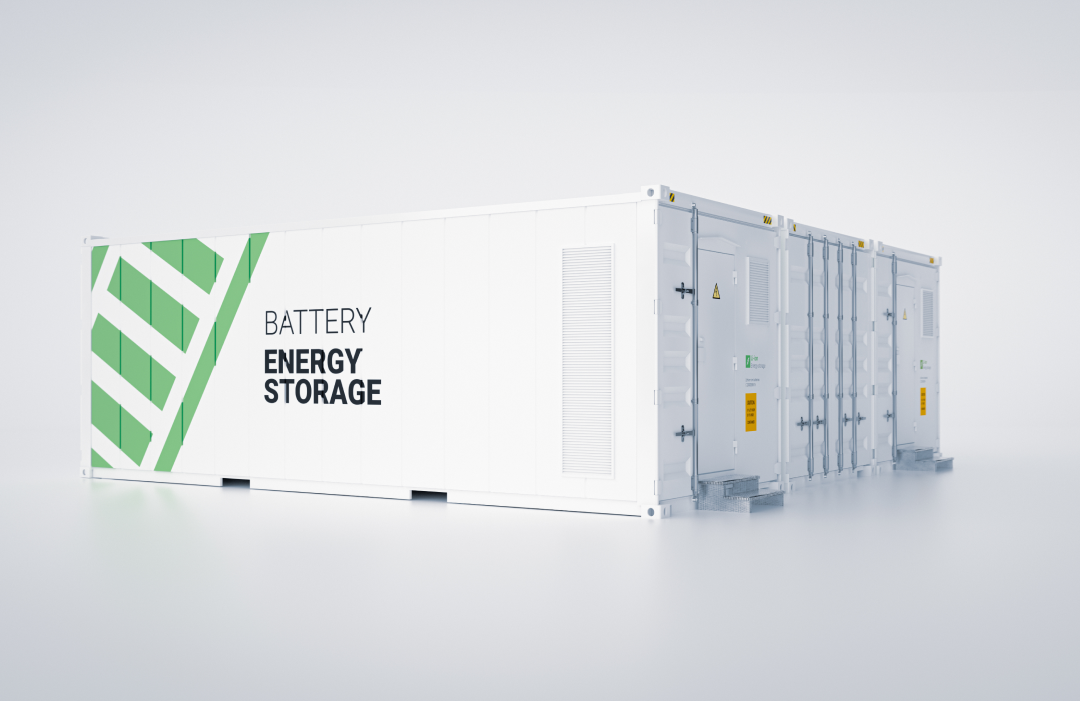
You’ve seen more roof solar panels and battery storage popping up in your neighborhood, and for good reason. But here’s a common misconception: solar panels alone don’t protect you from power outages. Without a way to store that clean energy, you’re still left in the dark when the grid goes down. That’s where a solar panel with integrated battery changes the game. Adding battery storage for solar panels creates a complete system. An integrated solar panel and battery ensures your home stays powered on, giving you true energy independence day and night.
Homeowners and businesses nationwide now see the benefits of installing high-efficiency solar panels. Apart from reducing individual carbon footprints, these installations will lead to a lot of financial benefits.
Switching to solar also allows households and commercial spaces to function independently from the local grid.
What does this mean? Let’s take a closer look.
How Solar Power Gives You Energy Independence
When an individual or business fulfills all of its energy needs without relying on the grid or other non-renewable sources, they are said to have achieved energy independence.
On a macro level, this is done when a nation exports more energy commodities—such as coal and natural gas—than it imports.
The United States was declared energy independent in 2019, which was largely made possible thanks to the rise of solar power.
Why Should You Care About Energy Independence?
There are several reasons to seek energy independence.
On an individual level, the benefits of solar power at home include lower utility bills, reduced reliance on the grid, and a diminished carbon footprint. On a national level, solar power has gone a long way in combating the ongoing climate crisis.
But to truly achieve solar energy independence, it isn’t enough to simply install fully functioning solar panels. Because the intensity of sunlight isn’t consistent across the country, it’s hard to maximize the potential of solar power without one crucial tool: solar power battery storage.
Understanding the Components of a Solar System
A complete solar energy system is more than just the panels you see on a roof. Think of it like a team where each player has a specific, vital role. To get the most out of your investment and truly achieve energy independence, it’s helpful to know what these components are and what they do. From the “brain” that converts the sun’s energy into usable power to the hardware that keeps everything secure and efficient, each piece works together. Understanding this setup helps you appreciate how you can generate your own clean electricity right from your rooftop.
The Inverter: The Brain of the System
If solar panels are the heart of your system, the inverter is the brain. Solar panels generate direct current (DC) electricity, but your home’s appliances run on alternating current (AC). The inverter’s job is to convert that DC power into AC power, making the sun’s energy usable throughout your house. Without an inverter, the electricity from your panels would be incompatible with your lights, refrigerator, and other devices. Its performance is critical to the overall efficiency of your solar installation, as it manages the flow of energy from the panels to your home or the grid.
Grid-Tie, Off-Grid, and Hybrid Inverters
Inverters come in a few main types, each designed for a specific kind of solar system. A grid-tie inverter is the most common for residential setups, allowing your system to connect directly to the utility grid. This lets you send any excess energy you produce back to your utility company, often for credit on your bill. Off-grid inverters are built for standalone systems that have no connection to the grid, while hybrid inverters offer the best of both worlds. They can manage power from the grid, your solar panels, and a battery backup system simultaneously.
Microinverters
Another popular option is using microinverters. Instead of one large, central inverter for the whole system, a small microinverter is attached to each individual solar panel. This setup has a few key advantages. If one panel is partially shaded or not performing at its peak, it won’t affect the output of the other panels. This maximizes your overall energy production. Microinverters also allow you to monitor the performance of each panel separately, making it easier to spot and troubleshoot any issues that might come up down the line.
Essential Hardware for a Complete Installation
Beyond the panels and inverter, a professional solar installation includes essential hardware that ensures your system is safe, secure, and durable. These components might not be as flashy, but they are the backbone of a reliable solar energy system. This includes the mounting and racking that hold the panels in place, as well as all the necessary wiring and safety devices. A quality installation depends on using the right hardware and ensuring it’s installed correctly, which is why our approach focuses on every last detail for both residential and commercial customers.
Mounting and Racking
Mounting and racking hardware is what physically secures your solar panels to your roof. This equipment is engineered to withstand wind, rain, and other weather conditions for decades. The right racking system is crucial not only for the safety of the panels but also for the integrity of your roof. Because a solar installation is a long-term addition to your home, it’s important that it’s done without compromising your roof’s structure. This is where having combined roofing and solar expertise becomes a major advantage, ensuring a seamless and leak-proof fit.
Wiring, Breakers, and Monitoring Tools
A complete solar installation involves carefully planned wiring to connect all the components, from the panels to the inverter and into your home’s electrical panel. Safety devices like breakers and disconnects are also installed to protect your system and home from electrical faults. Finally, most modern systems include monitoring tools. This software, often accessible via a smartphone app, lets you track your energy production in real-time. You can see how much power your system is generating, how much your home is using, and how much you’re saving on your utility bills.
Types of Solar Systems for Every Need
Not all solar systems are created equal. Depending on your goals—whether it’s lowering your electric bill, gaining complete independence from the grid, or ensuring you have power during an outage—there’s a system type that fits your needs. The three main categories are grid-tie, off-grid, and hybrid systems. Each one uses the core components in a slightly different way to achieve a specific outcome. Choosing the right one is a key step in your solar journey, and it all comes down to what you want to accomplish with your investment in clean energy.
Grid-Tie Systems
Grid-tie systems are the most common type of solar solution for homeowners. In this setup, your home is connected to both your solar panels and the local utility grid. During the day, your home runs on the solar power you generate. If you produce more electricity than you use, the excess is sent back to the grid, and your utility company may credit you for it through a program called net metering. At night or on cloudy days, you simply draw power from the grid as you normally would. This system is great for reducing your electricity bills but doesn’t provide power during a blackout.
Off-Grid Systems
An off-grid system is exactly what it sounds like: completely disconnected from the utility grid. This setup provides total energy independence, making it a popular choice for remote properties or for those who want to be entirely self-sufficient. Because there’s no grid to fall back on, off-grid systems require a battery bank to store excess energy for use at night or during periods of low sunlight. These systems need to be carefully designed to ensure you have enough power year-round, but they offer the ultimate freedom from utility companies and power outages.
Hybrid Systems
For many California homeowners, a hybrid system offers the perfect balance of reliability and savings. A hybrid system is connected to the grid like a grid-tie system, but it also includes a solar battery backup. This allows you to store excess solar energy to use later instead of sending it all back to the grid. The biggest advantage is that you have a reliable power source during a blackout. When the grid goes down, your system automatically switches to battery power, keeping your lights on and essential appliances running without interruption. It’s the ideal solution for energy security.
Specialized Solar Applications
Solar power is incredibly versatile, and its applications go far beyond the standard rooftop installation. As technology advances, people are finding new and innovative ways to use solar energy to power their lives, both at home and on the move. From creating a dedicated backup system for your home office to charging your electric vehicle with sunshine, specialized solar setups can be tailored to fit your specific lifestyle. These applications show just how adaptable solar energy has become, offering clean power for a wide range of needs.
Dedicated Home Backup and EV Charging
Beyond a full hybrid system, you can use solar to power specific needs. For example, a dedicated home backup system can be designed to keep only your most essential appliances running during an outage, like your refrigerator, lights, and Wi-Fi. Solar is also a perfect partner for electric vehicles (EVs). By installing an EV charger connected to your solar system, you can essentially fuel your car with sunlight, dramatically reducing both your transportation costs and your carbon footprint. It’s a smart way to make your home and your commute even greener.
Mobile Systems for RVs and Campers
Solar power isn’t just for stationary homes. Mobile solar systems are becoming increasingly popular for RVs, campers, and boats. These smaller, portable setups allow you to generate your own electricity while on the go, giving you the freedom to power lights, small appliances, and charge devices without needing to hook up at a crowded campground. Whether you’re a weekend warrior or a full-time nomad, a mobile solar system provides a quiet, clean, and reliable source of power, letting you enjoy the peace of the great outdoors with a few modern comforts.
The Power of an Integrated Solar Panel and Battery
Residential solar panels rely on solar battery storage systems to store excess energy generated during the day. In the US, storage is seen as a crucial component of such a system—most parts of the country do not receive consistent sunlight all year long.
The best way to achieve energy independence with solar is with a robust renewable system: combining solar PVs with batteries.
The falling costs and increased efficiency and durability of solar energy storage systems have made this model an affordable option for many.
Excess energy generated during the day can be stored in these batteries and used during periods with low solar generation, at night, or during grid outages. This energy can be used to ensure a continuous power supply for homes. Businesses, too, can benefit from this uninterrupted energy supply, improving productivity, efficiency, and customer satisfaction.
Choosing the Right Battery Storage for Your Solar Panels
In order to truly be energy independent, you need an energy storage system that suits your needs. Some factors to consider include:
How Much Storage Capacity Do You Need?
How much sunlight does your roof get in a day? What are the weather conditions in your location? How much energy will you need to cut off reliance on the grid entirely? And most importantly, how do solar panels work to deliver the power you need?
The answer to these questions will influence the capacity of the storage system and every other element of solar panel installation.
Common System Sizes: 5 kWh to over 64 kWh
When you start looking at solar batteries, you’ll see capacities ranging from around 5 kilowatt-hours (kWh) all the way up to 64 kWh or more. This wide range exists so that every homeowner can find a system that fits their specific energy needs. A smaller battery might be perfect for covering your evening energy use, while a larger system could power your entire home through a multi-day blackout. The key is to store the excess solar energy your panels generate during the sunny California days for when you need it most—like at night or during an unexpected grid outage. Choosing the right battery backup ensures you have a reliable power supply, giving you true energy independence and peace of mind.
How Long Will Your Solar Battery Last?
You must make sure that your system runs efficiently for as long as possible. To reduce reliance on the grid, shop around for reputable brands that use high-quality parts.
Look for factors like the battery’s depth of discharge, cyclic life, and the temperature of the area where it will be installed.
Is the Battery Compatible with Your Solar Panels?
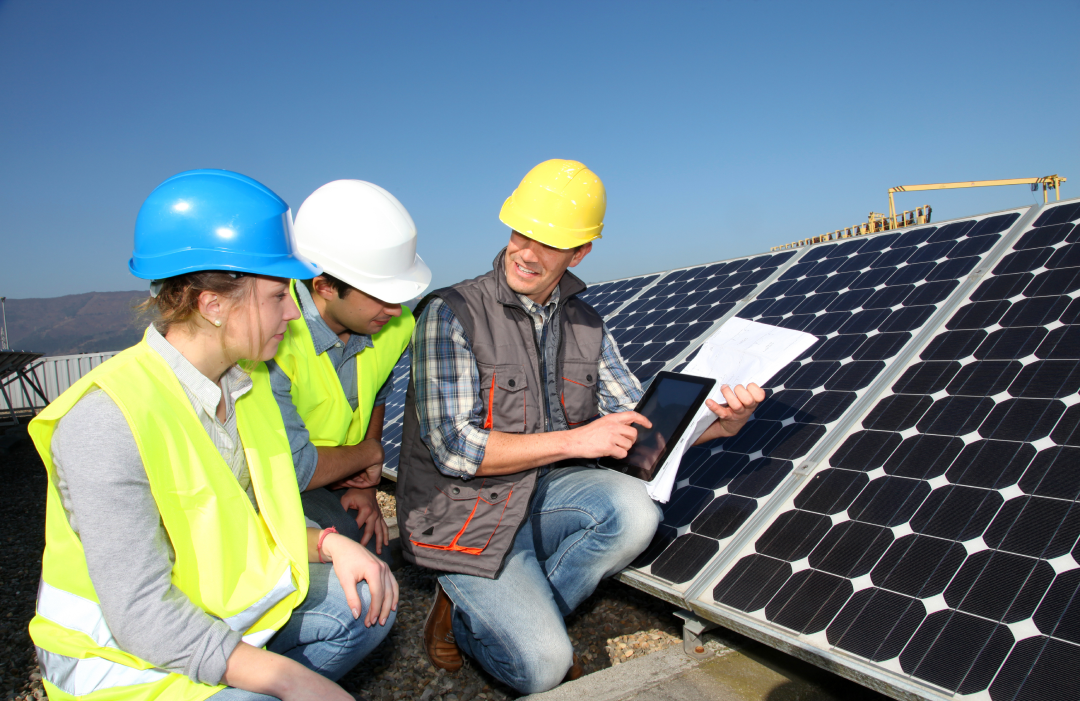
To ensure the most efficient use of battery storage for solar, opt for a system that seamlessly integrates with your solar panels. Making such decisions will require some expertise; worry not, as a professional solar company will be more than willing to help you with these technical details.
Understanding the Total Cost
One of the biggest advantages of a solar battery backup system is that it will help you save on your utility bills. However, this would only make sense if you opt for solar power battery storage that suits your budget.
Batteries cost between $200 and $500 per KWh. Depending on your needs, you may have to plan for a significant initial investment. Fortunately, the federal tax credit also covers the cost of storage setups—in 2023, it includes up to 30% of all expenses.
For a better idea of how much this will cost, check out this solar panel cost calculator.
Example Cost Ranges for Complete Systems
It helps to have a ballpark figure in mind when you’re planning your budget. While a custom quote is always the most accurate way to determine your investment, looking at pre-packaged kits can give you a general idea. Online, you might find complete off-grid solar kits with prices ranging from about $4,000 to over $22,000. These systems vary widely in power and storage, with battery capacities starting around 5 kWh and going all the way up to 64 kWh for very large energy needs. Remember, these are just examples. The final cost for your home will depend on your specific energy consumption, roof characteristics, and the level of energy independence you want to achieve. A customized solution ensures you get exactly what you need without overpaying for capacity you won’t use.
What Type of Battery Is Best for You?
Another essential factor that impacts the choice of battery is its type. Depending on your budget and your needs, you could choose one of the following:
- Lead-acid batteries
- Lithium-ion
- Redox flow
- Sodium nickel chloride
Modern Battery Chemistries like LiFePO4
Among the options available, one type is quickly becoming the go-to for home energy storage: Lithium Iron Phosphate, or LiFePO4. These batteries are gaining traction for good reason, offering a fantastic combination of safety, a long lifespan, and a more environmentally friendly profile than older technologies. What really sets them apart is their durability and stability. They can handle thousands of charge and discharge cycles—often between 2,500 and 5,000—before their capacity starts to noticeably decline. This means your battery backup system will be a long-term investment, providing dependable power for years. Because the chemistry is so stable and uses non-toxic materials, it’s a much safer choice for your home and the planet.
High-Voltage vs. Low-Voltage Batteries
You might also hear the terms “high-voltage” and “low-voltage” when discussing solar batteries. This refers to the battery’s operating voltage, which is a technical detail that influences how it pairs with your solar inverter and the overall efficiency of your system. While some lithium-ion batteries operate at a higher voltage, many LiFePO4 batteries are designed as low-voltage systems. This doesn’t mean they are less powerful; in fact, they are known for excellent charge and discharge efficiency and the ability to deep cycle without losing performance. The key is ensuring the battery and inverter are perfectly matched. This is where working with an experienced installer makes all the difference, as they will design a system where every component works together seamlessly.
A Note on Other Energy Storage Technologies
While LiFePO4 is an outstanding choice, it’s helpful to know that other technologies exist. Lead-acid batteries are the oldest type and are less expensive upfront, but they have a much shorter lifespan and require regular maintenance. Other types of lithium-ion batteries, like Nickel Manganese Cobalt (NMC), have a higher energy density—meaning they can be smaller and lighter—but they don’t typically offer the same long-term cycle life or thermal stability as LiFePO4. The best battery for you depends entirely on your energy goals, your home’s specific needs, and your budget. A thorough consultation can help you compare the pros and cons to find the perfect fit for your residential solar system.
Installation and Maintenance Considerations
Once you’ve decided on the right solar panels and battery for your home, the next step is planning the installation and understanding the long-term care. A professional installation is the foundation of a high-performing system, ensuring everything is set up for safety, efficiency, and longevity. The good news is that once your system is up and running, it requires very little upkeep. Let’s walk through what you can expect from the installation process and the simple maintenance that will keep your system generating clean energy for decades.
Mounting Your Panels: Roof vs. Ground Mounts
One of the first decisions in the installation process is where to place your panels. For most homeowners, roof-mounted panels are the go-to choice. They make use of existing, otherwise unused space and are securely attached to your roof structure. However, if your roof isn’t ideal due to its angle, shading, or structural limits, a ground-mounted system is an excellent alternative. Ground mounts can be placed anywhere on your property with good sun exposure and tilted at the perfect angle for maximum energy production. A thorough site assessment will determine the best option for your specific home, which is a key part of a customized solar approach.
Simple Maintenance for Optimal Performance
Many people think solar panels require constant, complicated upkeep, but that couldn’t be further from the truth. Solar panels are incredibly durable and built to withstand the elements for over 25 years with minimal intervention. In many parts of California, seasonal rain is enough to wash away any dust or pollen that accumulates. If you live in a drier, dustier area, a simple cleaning once or twice a year might be helpful. The most important thing you can do is monitor your system’s output. A sudden drop in production can signal an issue, and that’s the time to call a professional. Since your panels are tied to your home’s structure, having an expert in both solar and roofing solutions provides extra peace of mind.
Common Questions and Misconceptions About Solar
Making the switch to solar is a big decision, and it’s completely normal to have questions. There’s a lot of information out there, and it can be tough to separate fact from fiction. From worries about weather to confusion over technical rules, many common concerns can make homeowners hesitate. We want to clear the air and address some of the most frequent questions and misconceptions we hear. Getting straightforward answers will help you feel confident as you move toward energy independence.
Does Rain Affect Solar Panels?
This is a great question, and the answer often surprises people: rain is actually good for your solar panels! Think of it as a free, automated cleaning service. Rain washes away the dust, dirt, and pollen that can settle on your panels over time, which helps them operate at peak efficiency. While a heavy, overcast sky will temporarily reduce production, the cleaning effect of the rain is beneficial in the long run. Unless you live in an area with very little rainfall and a lot of airborne dust, you likely won’t need to worry about manually cleaning your panels at all.
Why Do Some People Remove Their Solar Panels?
Seeing solar panels being removed can be confusing, but it’s almost never because the system has failed. The most common reason for temporary solar panel removal is to perform roof repairs or a full roof replacement. This is actually a perfect example of why working with a company that specializes in both solar and roofing is so valuable. An integrated team can handle the entire process seamlessly, from safely removing and storing your panels to reinstalling them once the roof work is complete. In rare cases, panels might be removed to clear out pests that have nested underneath, but this is also a straightforward fix for a professional team serving residential customers.
What Is the 120 Rule for Solar?
You may have heard of the “120 Rule” and wondered what it means for your system. This is a technical guideline from the National Electrical Code (NEC) that relates to system voltage and inverter safety. In simple terms, it’s a safety measure to prevent electrical systems from being overloaded. While the details are complex, the key takeaway for a homeowner is that you don’t need to be an expert on it. This rule is exactly why you hire a licensed, experienced installer. A reputable solar company understands and follows all national and local codes to design and install safe, compliant, and effective solar solutions for your home.
Unexpected Perks of a Solar Battery System
There are many reasons to install a solar system with a battery:
- Reduced carbon footprint: When you cut off all reliance on your local grid, you will no longer need fossil fuels for energy. According to the United Nations, they are responsible for over 75% of all global greenhouse gas emissions.
- Clean backup power: During power outages, most of us rely on diesel-powered generators. With a robust solar system and battery, you have uninterrupted access to clean and noise-free energy, even during extended blackouts.
- Save on energy bills: Most people who make the switch to solar still rely on the grid, largely because their panels cannot generate energy at night and aren’t as efficient in the winter months. But when you have a battery, you can store energy for the future and be free from the rising costs of local utilities.
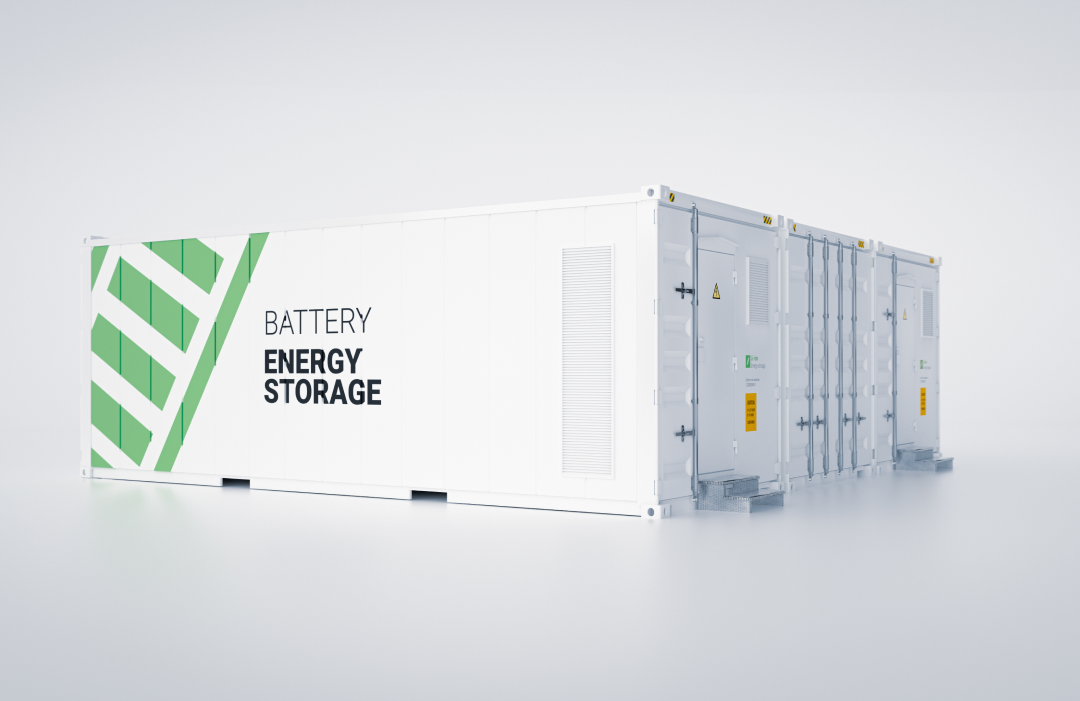
Achieve True Energy Independence with AMECO
To achieve true solar power energy independence, it is essential to embrace this renewable form of energy and do it right.
Simply installing a few panels can help you save on some costs. Still, to truly cut your reliance on fossil fuels for good and maximize on the potential of solar energy, there’s no better investment than a battery.
AMECO, a leading solar company in California, will gladly show you the way. For almost 50 years, we have provided our customers with renewable and sustainable energy solutions that help them deal with the frustrations that come from blackouts and spikes in energy rates. Get in touch with us today to see how we can help!
Frequently Asked Questions
Do I need a battery if I have solar panels? While solar panels alone will lower your electricity bill, they won’t keep your lights on during a power outage. Most residential solar systems are tied to the grid and are designed to shut down when the grid goes down for safety reasons. Adding a battery allows you to store the extra solar energy you generate, creating a personal power reserve. This stored energy is what keeps your home running during a blackout, giving you true energy independence.
How do I know what size battery my home needs? The right battery size depends on your specific energy goals and usage habits. A smaller battery might be enough to power essential appliances through a short outage, while a larger system could run your entire home for a day or more. A professional consultation will involve analyzing your electricity bills, understanding which appliances you want to back up, and assessing your roof’s solar potential to recommend a battery capacity that perfectly fits your needs without making you pay for storage you won’t use.
What’s the difference between a hybrid and an off-grid solar system? A hybrid system is the most popular choice for homeowners because it offers the best of both worlds. It’s connected to the utility grid but also includes a battery. This means you can lower your bills, send excess power to the grid, and still have backup power during an outage. An off-grid system, on the other hand, is completely disconnected from the utility grid. It relies entirely on solar panels and a large battery bank, making it ideal for remote properties or for those seeking total self-sufficiency.
Are solar panels and batteries difficult to maintain? Not at all. Modern solar systems are designed for durability and require very little upkeep. The panels themselves are built to last for over 25 years, and in most climates, seasonal rain is enough to keep them clean and performing well. Likewise, modern batteries like LiFePO4 are self-contained and don’t require maintenance. The best thing you can do is use the monitoring app to keep an eye on your system’s production, which makes it easy to spot any potential issues.
Will installing solar panels damage my roof? When done by a qualified professional, a solar installation will not damage your roof. Reputable installers use specialized mounting hardware and sealants designed to protect your roof’s integrity and prevent leaks for decades. This is why it’s so beneficial to work with a company that has expertise in both solar and roofing. They understand how to secure the system properly while ensuring your roof remains structurally sound and weatherproof.
Key Takeaways
- A battery completes your solar system for true independence: Solar panels generate power, but they don’t store it. To keep your home running during a power outage, you need a battery to save the excess energy your panels produce during the day, giving you access to clean power anytime.
- Hybrid systems provide both savings and security: A hybrid solar system connects to the grid, which helps lower your utility bills, but it also includes a battery. This setup gives you the financial benefits of solar with the peace of mind that comes from having a reliable backup power source.
- System components determine performance and longevity: Your system’s effectiveness depends on more than just panels. Choosing the right battery capacity, modern chemistry like LiFePO4, and a compatible inverter ensures your entire system works together efficiently for years to come.
Related Articles
- Maximize Energy Independence: Integrating Solar Panels With Battery Storage | AMECO Solar
- Solar Energy Storage: How Is Solar Energy Stored | AMECO Solar
- Solar Battery Backup for Home: A Complete Guide
- Solar Batteries: What You Need to Know | AMECO Solar USA
- Solar and Battery Pairing: Is It Worth It? | AMECO Solar