
Power outages are becoming a frustratingly common part of life. With grids shutting down during severe weather, you might be looking for a reliable backup. So, do solar panels work when the power goes out? It’s a logical question, but the answer surprises most homeowners. Your standard solar system is actually designed to shut down during a grid failure for safety reasons. But don’t worry, you’re not powerless. The key is understanding how to properly equip your power outage solar panels. This guide explains exactly what you need to keep your lights on, no matter what.
If you have a residential solar panel system, you might wonder if it can still provide power during a grid outage. The answer is yes, but there are a few things you need to consider.
First of all, if the power outage is caused by severe weather conditions, your solar system may not be able to generate enough electricity to meet all of your needs. This is because sunlight may be obscured by clouds or debris.
Secondly, even if your solar system is generating enough electricity, the power may not be able to reach your home if the grid is down. In this case, you will need to have a backup generator or battery system in place.
Will My Solar Panels Work During a Power Outage?
It’s a common question we hear, and the answer often surprises people: on its own, a standard grid-tied solar panel system will not work during a power outage. This isn’t a flaw in the system; it’s a critical safety feature. Your system is designed to automatically shut down when it detects that the utility grid is down. This process, known as “anti-islanding,” prevents the electricity your panels generate from flowing back into the grid, which could endanger utility workers making repairs. So, even on the sunniest day, if the grid goes dark, a standard solar installation will too.
So, how do you keep the lights on when your neighbors are in the dark? The key is adding a solar battery to your system. A battery backup acts like a personal energy reserve for your home. Throughout the day, your solar panels will power your home and use any excess energy to charge the battery. When the grid goes down, your system automatically disconnects from it and starts drawing power from your battery instead. This creates a seamless transition, allowing you to run your essential appliances and maintain a sense of normalcy during an outage. It’s the component that provides true energy independence.
Think of it this way: your solar panels are the power generators, but the battery is what gives you access to that power 24/7, regardless of what the utility grid is doing. Having a solar-plus-storage system means you’re not just reducing your electricity bills—you’re building a resilient, self-sufficient home. At AMECO, we help homeowners design customized systems that match their specific energy goals, whether that’s maximum savings or complete peace of mind during blackouts. By pairing the right solar panels with the right battery, you can ensure your home remains a bright spot, even when the rest of the neighborhood is dark.
Will My Home Solar System Work in an Outage?
Solar panels are a great way to save on energy bills, but what many don’t know is that you’re still connected to the electric grid. So, when your solar power system can’t produce enough power, you’ll have to supplement it with electricity from the utility company.
You use power from the utility company at night, and when your home solar panel system can’t generate enough energy. You also send power to the grid during the daytime when your panels harness excess solar energy and produce more than you need.
A residential solar system is designed to shut off when the power goes out in order to not send electricity back into downed power lines. So, if you have a grid-tied solar power system, it will go dark when the power goes out.
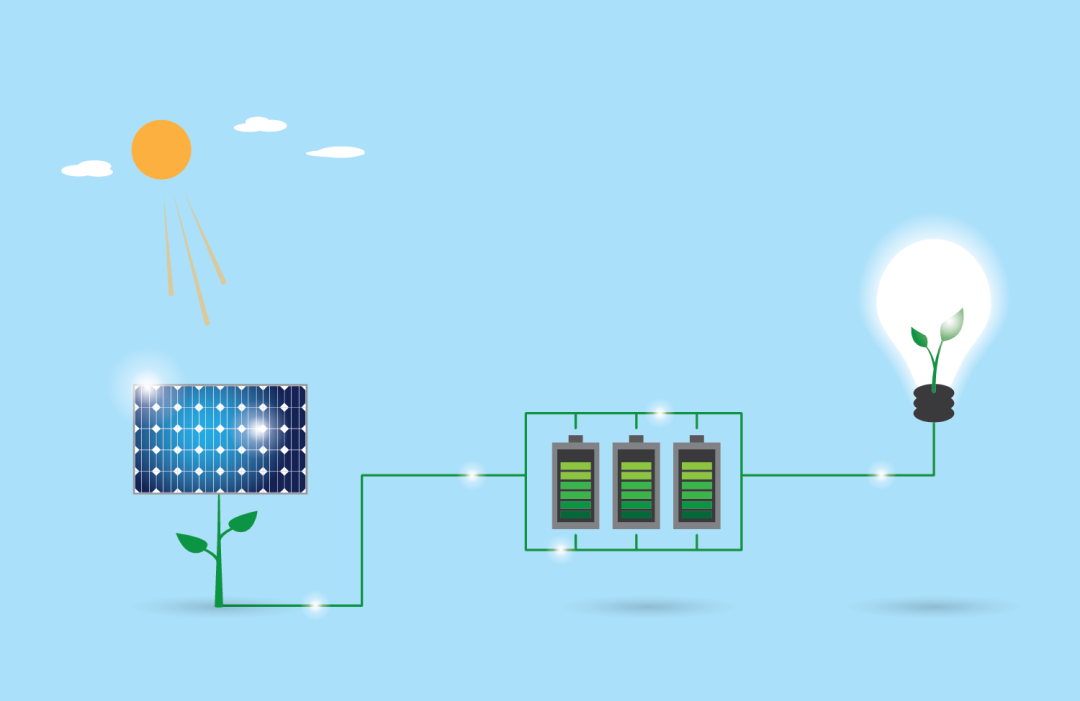
But there’s a workaround: solar panel system batteries. A solar system with battery backup can keep your lights on during a power outage. A backup battery for your solar system will store the excess electricity your panels produce during the daytime so you can use it at night or during a power outage.
Why Standard Solar Systems Shut Down During an Outage
It’s a logical assumption: the sun is shining, your panels are on the roof, so you should have power during a blackout, right? Surprisingly, that’s not the case for most standard solar installations. The vast majority of solar systems are grid-tied, meaning they are still connected to the main utility grid. This connection is essential for how they operate day-to-day. When the grid goes down, your solar system is designed to automatically shut down with it. This isn’t a flaw in your system; it’s a critical and required safety feature. Understanding why this happens is the first step to creating a truly resilient energy setup for your home.
Safety Regulations and Anti-Islanding
The primary reason your solar system shuts off during a blackout is for the safety of utility workers. When the grid fails, crews are sent out to repair the power lines. If your solar system continued to send electricity back into the grid, it would create a dangerous “island” of power on lines that workers assume are dead. This process, known as anti-islanding, is a mandatory safety protocol. Your system’s inverter detects the absence of power from the grid and immediately stops the flow of electricity from your panels, ensuring that line workers can do their jobs safely without the risk of electrocution from your home’s solar array.
The Inverter’s Reliance on the Grid
Your solar inverter, the device that converts the DC electricity from your panels into the AC electricity your home uses, plays a central role in this shutdown process. It’s not just a one-way street for power; the inverter also relies on the grid for cues. It needs to see a stable electrical signal from the utility to function correctly and synchronize the power it produces. When the grid goes down, that signal vanishes. Without this reference point, the inverter doesn’t know how to manage the electricity it’s generating, so it shuts down as a protective measure for both the system and your home.
Grid Signal Dependency
Even on the sunniest day, when your panels are producing an abundance of energy, they will shut down if the grid fails. The inverter is programmed to require a constant, stable signal from the utility to operate. Think of the grid as a conductor leading an orchestra; without the conductor’s steady beat, the musicians (your inverter) stop playing to avoid creating a chaotic mess. This grid signal dependency is the technical trigger that tells your system it’s time to power down, regardless of how much sunlight is available at that moment.
Protecting Appliances from Power Fluctuations
The automatic shutdown also serves to protect your home’s appliances. The power generated by solar panels can fluctuate based on environmental factors, like a cloud passing overhead. The utility grid is massive and stable, easily absorbing these small fluctuations. Without the grid to act as a buffer, these voltage and frequency variations could be sent directly to your home. This unstable power could damage sensitive electronics like computers, televisions, and even your refrigerator. The inverter’s shutdown prevents this by ensuring that only stable, grid-quality power ever reaches your appliances.
How Grid-Tied Systems Use Net Metering
Most homeowners choose grid-tied systems to take advantage of a financial incentive called net metering. When your panels produce more electricity than your home is using, that excess power is sent back to the utility grid. In return, the utility company credits your account for the energy you provided. This is how many people see their electricity bills drop to near zero. This symbiotic relationship is fantastic for saving money, but it also means your home’s power system is fundamentally intertwined with the grid. Because your system is designed to both pull from and send power to the grid, it must be able to disconnect completely when the grid isn’t operational.
How to Keep Your Home Powered During an Outage
So, if a standard solar system won’t work during a blackout, how do you achieve true energy independence? The solution is to add energy storage to your system. By pairing your solar panels with a battery backup, you can store the excess solar energy your panels generate during the day instead of sending it all back to the grid. When a power outage occurs, your system can safely disconnect from the utility grid and create its own, self-sufficient “mini-grid.” The stored energy in the battery then powers your home, keeping your lights on, your food cold, and your essential devices running.
A solar-plus-storage system gives you the best of both worlds: the cost savings of solar and the peace of mind that comes with having a reliable backup power source. At AMECO, our approach involves designing a customized system that meets your specific energy needs. Whether you want to back up just a few essential circuits or your entire home, we can help you select the right battery solution. This ensures that the next time the grid goes down, your home remains a comfortable and powered sanctuary, running on clean energy you produced yourself.
How Does the System Work?
The most common approach to keeping the electricity on after the lights go out is to install an off-grid solar system or incorporate energy storage measures, such as batteries.
Off-Grid Solar System
An off-grid solar system is not connected to the utility grid. Without being connected to the power grid, your solar panels must generate enough electricity during sunny days to tide you over at night and on cloudy days. Also, if your solar system isn’t producing enough electricity and the power you’ve stored has run out, you won’t be able to draw electricity from the grid.
Because these systems must be built and maintained separately, they’re often more costly than grid-tied solar systems. The number of batteries needed to store power will depend on the size of the solar panel system, the amount of electricity you use, and the number of days of autonomy you want.
Generally, off-grid solar is rarely a smart financial decision for most residences and enterprises. It is, however, a good option for homes and establishments located in remote areas where grid-tied electricity isn’t available.
Solar Panel System with Battery
In most cases, having a solar panel and battery system is a better option than going entirely off the grid. The backup will allow you to use solar power at night and during a power outage.
The batteries store the excess electricity your panels produce during the daytime so you can use it when needed. The number of batteries you’ll need will depend on how much electricity you use, the size of your solar system, and how long you want to go without being connected to the grid.
But because you don’t need as many batteries as you would in an off-grid system, it is likely to be more economical than an off-grid one. However, it’s worth noting that purchasing solar batteries can drive up your solar system’s cost by a lot.
Many solar installers will recommend that you choose only a few critical items you want to be powered. These typically include emergency lights, medical equipment, refrigerators, or personal electronics/chargers.
Understanding Battery Capacity and Performance
Think of a solar battery as a rechargeable power bank for your home. It stores the extra electricity your solar panels generate during sunny days, saving it for when you need it most—like at night or during a grid outage. The amount of power a battery can hold is its capacity, measured in kilowatt-hours (kWh). A typical home battery stores around 10 to 15 kWh, which is usually enough to run essential appliances for one to two days. However, the right size for you isn’t one-size-fits-all. It depends on your family’s energy consumption, the size of your solar array, and how many days of backup power you want for peace of mind. A professional consultation can help determine the perfect battery backup solution for your specific needs.
Practical Tips for Managing Power with a Battery
When the power goes out, having a battery doesn’t mean you can use electricity as you normally would. The key is to be strategic to make your stored energy last. Before installation, an experienced installer will help you identify the “critical loads” you’ll want to power during an outage. These are typically essentials like a few lights, your refrigerator, medical equipment, and outlets for charging phones and laptops. To conserve energy, try to run larger appliances when the sun is out and your panels are actively generating power. It’s also wise to avoid energy-hungry systems like air conditioning or heating unless it’s absolutely necessary. Finally, get into the habit of unplugging “phantom loads”—devices that draw power even when turned off—or connecting them to a power strip that you can easily switch off. These small adjustments ensure you have power when it matters most.
Solar Panel System with Gas Generators
Another backup power option is combining solar panels with a gas generator. This way, you can utilize renewable solar energy when the sun is shining. And when it’s not, you can supplement your power needs with fossil fuel.
Of course, this isn’t the most environmentally friendly solution. But it might be a good option if you need a lot of power and the number of batteries for solar panel system is cost-prohibitive.
Solar Battery System and Gas Generator
As mentioned, the main advantage of a solar battery system is that it can provide power even during less than ideal weather conditions. But if you need a lot of power for your home or business, too many batteries can be expensive. So, another option for backup power is to supplement solar batteries with a gas generator.
Of course, the total cost will depend on the size of your solar system, the energy requirement, and the number of days you want to be able to go without being connected to the grid. But in general, this solution is likely more expensive than a grid-tied solar system or a solar system with batteries.
Alternative Backup Power Solutions
Beyond a standard battery or generator, a few other technologies can help you maintain power. These solutions often involve specific components within your solar system that are designed to function during a grid failure. Understanding these options can help you have a more detailed conversation with your solar installer about what’s possible for your home.
Specialized Inverters for Opportunity Power
Even when the sun is shining brightly, a standard grid-tied solar system shuts down during a power outage. This is a critical safety feature called “anti-islanding,” which prevents your system from sending electricity back to downed power lines and endangering utility workers. However, some specialized inverters are designed to create a mini-grid for your home during an outage, allowing you to use the power your panels are generating in real-time. This “opportunity power” is only available when the sun is out, but it can be a useful feature if you don’t have a full battery backup system.
Microinverter Systems
Another component that adds flexibility is a microinverter. Instead of one large “string” inverter for all your panels, microinverters are small devices attached to each individual panel. They convert DC electricity to AC electricity right at the source. This setup optimizes the performance of each panel, so if one is shaded, it doesn’t reduce the output of the entire system. When paired with the right components and a battery, a microinverter system can be configured to provide power for essential appliances during a grid outage, giving you more control over your energy independence.
Portable Solar Generators
If you’re looking for a less permanent or more budget-friendly option, a portable solar generator is a practical choice. These are essentially large, portable batteries that can be charged with a few solar panels or a wall outlet. While they won’t power your entire home, they are perfect for keeping essential devices running in an emergency, like your refrigerator, phone chargers, or medical equipment. They offer a versatile and straightforward way to ensure you have some power on hand without modifying your home’s main solar installation.
A Note on Solar Panel Reliability
Investing in a solar system is a significant decision, and it’s natural to wonder about the durability of the equipment on your roof. The good news is that modern solar panels are incredibly reliable and built to last for decades. They have no moving parts and are designed to withstand harsh weather, from intense California sun to heavy rain and wind. This durability is a key reason why solar has become such a popular and dependable energy source for homeowners.
The data backs this up. Studies have shown that solar panels have an extremely low failure rate, with some research indicating that only about 5 out of every 10,000 panels failed annually in a 15-year period. This translates to a failure rate of just 0.05%. When you partner with an experienced installer, you can be confident that you’re getting high-quality equipment. With over 50 years of combined expertise, our approach at AMECO involves selecting and installing robust solar solutions designed for long-term performance, giving you peace of mind for years to come.
How Much Does a Solar Panel System Cost?
So, how much is a solar panel system worth? The cost of a solar panel system can vary quite a bit depending on the size of the solar panel system, the type of equipment used, and the specific installation circumstance. For example, a small solar system for a house might cost as little as $3,500. But a more comprehensive one that can power an entire business complex could easily run into hundreds of thousands or even millions of dollars.
On average, however, installing a solar system in the US costs around $12,000. The final cost of your solar system will depend on factors, including the size and components of the panel system, the type of equipment you choose, the difficulty of installation, and any applicable tax credits or rebates.
If you’re looking at adding battery backup for your solar system, expect to pay an additional $5000-$8000 for the batteries themselves. And if you’re thinking of supplementing your solar system with a gas generator, you’ll also need to factor in the cost of the generator as well.

Financial Incentives for Battery Storage
The idea of adding a battery to your solar system might seem like a big financial step, but there are some great incentives that make it much more manageable. These programs are designed to encourage homeowners to adopt cleaner energy and build a more resilient power grid. Think of them as a helping hand to make your energy independence a reality. Beyond the major federal credits, it’s also a good idea to look into local rebates or state-level programs, as these can further reduce your overall costs. Taking the time to research these incentives can make a significant difference in your budget and shorten the time it takes for your investment to pay for itself.
Federal Tax Credits
One of the most impactful financial perks is the federal Investment Tax Credit (ITC). This is a big one. It allows you to claim a tax credit for 30% of the total cost of your solar energy system. The best part? This credit also applies to battery storage when it’s installed with your solar panels. So, if you’re adding a battery to your new or existing system, 30% of that cost gets rolled into your credit. This isn’t just a small discount; it’s a significant reduction that directly lowers the amount of tax you owe, making the initial investment in energy security much more accessible for homeowners.
Typical Battery Installation Costs
So, what’s the bottom line? While costs can vary, a home battery backup system typically costs between $5,000 and $8,000. This price depends on the battery’s capacity, brand, and the complexity of the installation. When you bundle this with the average cost of a solar panel system, which is around $12,000, you can see how the 30% federal tax credit becomes incredibly valuable. Of course, the final price tag will depend on your home’s specific energy needs and the equipment you choose. Getting a personalized quote is the best way to understand your exact costs, but you can start by playing with an estimate calculator to get a ballpark idea.
Go Solar with AMECO
AMECO Solar & Roofing is a leading provider of solar energy systems for residential and commercial customers. We have a wide range of solar panel system sizes and options to choose from, so you can find the perfect one for your needs. Get a quote through our Solar Panel System Calculator.
“@context”: “https://schema.org”,
“@type”: “BlogPosting”,
“mainEntityOfPage”: {
“@type”: “WebPage”,
“@id”: “https://www.amecosolar.com/blog/do-solar-panel-systems-work-during-a-power-outage”
},
“headline”: “Do Solar Panel Systems Work During a Power Outage?”,
“description”: “Read about solar panel systems, find out if they work during a power outage, how the system generally works, how much it costs, and how to go Solar with Ameco.”,
“image”: “”,
“author”: {
“@type”: “Person”,
“name”: “”
},
“publisher”: {
“@type”: “Organization”,
“name”: “”,
“logo”: {
“@type”: “ImageObject”,
“url”: “”
}
},
“datePublished”: “2022-09-12”
}
Frequently Asked Questions
Why do my solar panels shut off during a blackout if the sun is still out? It seems counterintuitive, but this is a required safety feature. Your solar system is connected to the main utility grid, and it’s designed to automatically shut down when the grid fails. This prevents your panels from sending electricity into downed power lines, which protects utility workers who are making repairs from accidental electrocution.
Do I need a battery to keep my lights on during an outage? For most homeowners, yes, a battery is the component that provides power during a blackout. It works by storing the excess solar energy your panels produce during the day. When the grid goes down, your system automatically disconnects from it and begins drawing power from your battery, creating a seamless transition for your home.
How long will a solar battery power my home? This depends on the battery’s capacity and your electricity usage. A typical home battery can run essential appliances like your refrigerator, a few lights, and device chargers for one to two days. The key is to be strategic and power only your critical needs, which helps you conserve the stored energy and make it last longer.
Is adding a battery to my solar system affordable? While a battery adds to the initial cost, financial incentives can make it much more accessible. The federal Investment Tax Credit, for instance, allows you to claim a 30% credit on the cost of your battery when it’s installed with a solar system. This significantly reduces the overall price of achieving energy independence.
What’s the difference between a solar battery system and going completely off-grid? A solar battery system provides backup power during outages while keeping you connected to the utility grid for everyday use and savings. Going completely off-grid means you are fully disconnected from the utility company. An off-grid setup requires a much larger and more expensive system to generate and store 100% of your power, which is why it’s not a practical choice for most homes.
Key Takeaways
- Your Solar Panels Won’t Work in an Outage (On Their Own): Standard solar systems are designed to shut down during a blackout for a crucial safety reason, which is to protect utility workers who are repairing the lines.
- Add a Battery for Uninterrupted Power: To keep your lights on during a blackout, you need to pair your solar panels with a battery. The battery stores your excess solar energy, creating a personal power supply that your home can use when the grid is down.
- Make Your Backup Plan Affordable: You can design a system to run just your essentials, which makes it a more manageable investment, and financial incentives like the 30% federal tax credit can significantly lower the cost of adding a battery.